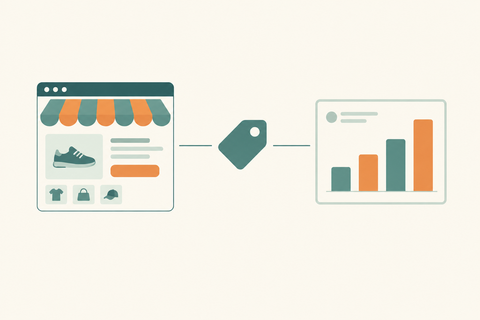
How to Improve Organic Traffic for Shopify Stores
Learn 10 proven strategies to grow organic traffic for your Shopify store, including keyword research, on-page SEO, content marketing, site speed optimization, and link building.
Organic traffic is the lifeblood of any sustainable e-commerce business. For Shopify store owners, ranking higher on search engines means more visibility, more clicks, and ultimately more sales — without paying for every visitor. In this guide, we'll walk through proven strategies to boost your Shopify store's organic traffic.
1. Conduct Thorough Keyword Research
Start with understanding what your potential customers are searching for. Use tools like Google Keyword Planner, Ahrefs, or Semrush to identify high-intent, low-competition keywords relevant to your products and niche. Focus on:
- Long-tail keywords (e.g., "handmade leather wallets for men") that signal buying intent
- Informational keywords to attract top-of-funnel visitors through blog content
- Local keywords if you serve specific geographies
2. Optimize Your Product Pages
Each product page is an SEO opportunity. Ensure every page has:
- A unique, keyword-rich title tag and meta description
- Descriptive, original product copy (avoid manufacturer descriptions)
- Optimized image alt text
- Structured data (schema markup) for rich snippets like ratings and price
- A clean, keyword-friendly URL handle (e.g.,
/products/leather-bifold-wallet)
3. Build a Content Marketing Strategy
Shopify's built-in blog is a powerful SEO asset. Publish high-quality, helpful content that answers your audience's questions. Ideas include:
- Buying guides and product comparisons
- How-to tutorials related to your products
- Industry news and trend roundups
- Customer success stories and case studies
Aim for at least 1,000–1,500 words per post, and internally link to relevant product and collection pages.
4. Improve Site Speed and Core Web Vitals
Google uses page experience signals as a ranking factor. A slow Shopify store hurts both rankings and conversions. Key actions:
- Compress and lazy-load images (use WebP format)
- Minimize unused JavaScript and CSS
- Use a lightweight, performance-optimized theme
- Leverage Shopify's built-in CDN for faster asset delivery
- Audit with Google PageSpeed Insights or GTmetrix regularly
5. Build High-Quality Backlinks
Backlinks from authoritative websites signal trust to search engines. Effective link-building tactics for Shopify stores include:
- Guest posting on industry blogs
- Getting featured in product roundups and gift guides
- Partnering with influencers and bloggers for reviews
- Creating linkable assets like infographics, data studies, or free tools
- Submitting to relevant directories and niche communities
6. Fix Technical SEO Issues
Technical SEO ensures search engines can crawl and index your store efficiently. Regularly audit for:
- Broken links (404 errors) — set up 301 redirects in Shopify
- Duplicate content (especially from faceted navigation or tag pages)
- Missing or duplicate meta tags
- Proper canonical tags on paginated or filtered pages
- A valid XML sitemap submitted to Google Search Console
7. Optimize for Mobile
With the majority of e-commerce traffic coming from mobile devices, a mobile-first experience is non-negotiable. Shopify themes are generally responsive, but always test your store on multiple devices and screen sizes. Pay attention to tap targets, font sizes, and checkout flow on mobile.
8. Leverage Collection Pages for SEO
Collection pages often rank better than individual product pages for broader category keywords. Optimize them with:
- Keyword-rich headings and introductory copy (at least 150–300 words)
- Descriptive meta titles and descriptions
- Logical internal linking to subcategories and featured products
9. Use Structured Data and Rich Snippets
Implement JSON-LD schema markup for products, reviews, breadcrumbs, and FAQs. Rich snippets increase your click-through rate (CTR) in search results, driving more traffic even without a ranking change.
10. Monitor, Measure, and Iterate
SEO is a long-term game. Track your progress using:
- Google Search Console — impressions, clicks, average position, and indexing issues
- Google Analytics 4 — organic traffic trends, landing page performance, and conversions
- Ahrefs or Semrush — keyword rankings, backlink profile, and competitor analysis
Review your data monthly and double down on what's working.
Conclusion
Improving organic traffic for your Shopify store is a compounding investment. By combining solid keyword research, on-page optimization, quality content, technical SEO, and link building, you'll build a sustainable traffic engine that grows over time. Start with the fundamentals, stay consistent, and the results will follow.